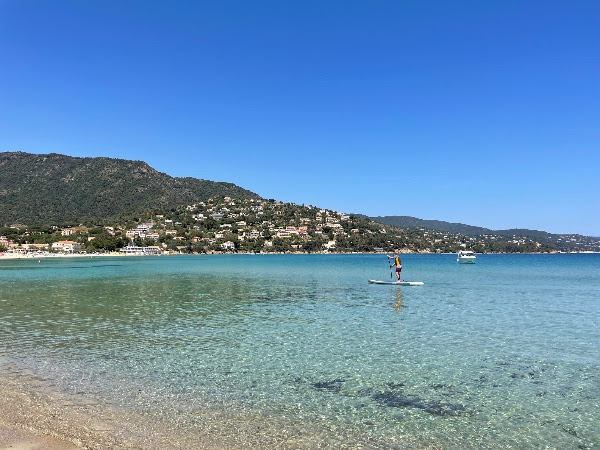


 Lionel
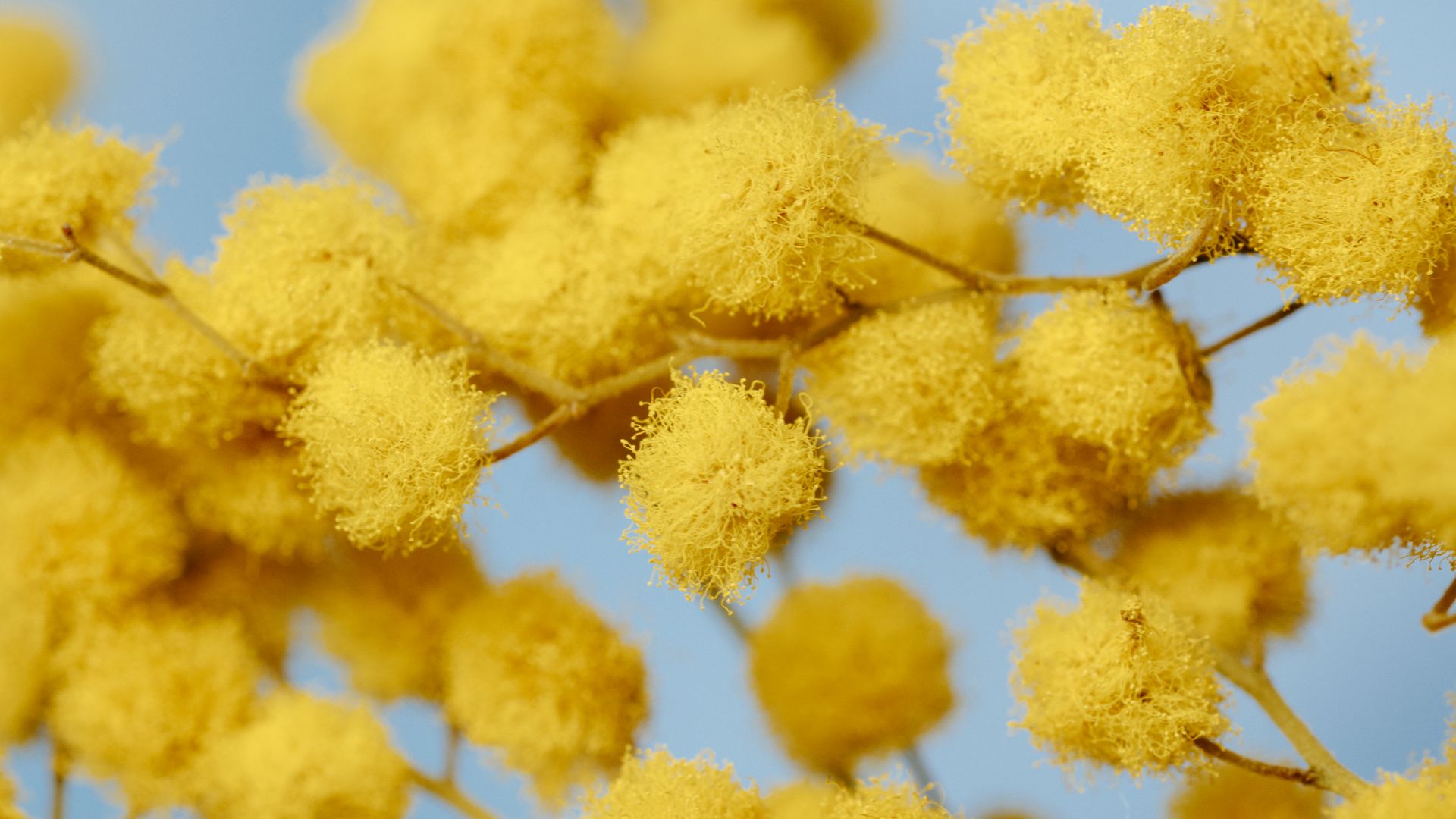
The Mimosa Route is not a single day’s drive: it covers 130 km and eight towns and villages, and the best of it lies between the stops, on the ridges of the Tanneron. The secret is to time your trip to the variety in flower. Mirandole opens the season from late December, Gaulois takes over until March, and February remains the peak month for the wild blossom.
Updated October 2026
At a glance
- Where: from Bormes-les-Mimosas (Var) to Grasse (Alpes-Maritimes), 130 km.
- The 8 official stops: Bormes-les-Mimosas, Rayol-Canadel-sur-Mer, Sainte-Maxime, Saint-Raphaël, Mandelieu-La Napoule, Tanneron, Pégomas, Grasse.
- When: January to March; February for the wild blossom.
- Getting there: by car, following the coast and then the hills behind Cannes.
- Who it’s for: garden lovers, photographers, food lovers and families.
Before you go: understanding mimosa
Native to Australia, mimosa took root on the Côte d’Azur in the days of the British winter visitors, first on the slopes of the Croix des Gardes in Cannes, then on the neighbouring Tanneron massif. It flowers from December to March.
Three varieties dominate on the Tanneron, according to the regional tourist board:
- Mirandole: large clusters of pure yellow, from late December to February;
- Rustica: bright yellow, highly scented pompoms, from December to March;
- Gaulois: sulphur yellow, from late January to March.
Flowering depends on the winter weather. Before booking, check the events calendar on the official website, routedumimosa.com, and with the tourist offices along the route.
Day 1 – Bormes-les-Mimosas, kilometre zero
Bormes is the starting point. The hill village, which has held the top “4 fleurs” floral award since 1950, even carries the mimosa in its name. Take time to climb its lanes before the light changes.
- Pépinière Cavatore: a nursery with a collection of around 250 varieties of mimosa, recognised at national level.
- Jardin du Mimosa: opened in May 2026, with some sixty varieties supplied by the nursery.
- Mimosalia: the horticultural show celebrates its 30th anniversary in January 2027; the exact dates will be published by the town.
- Corso fleuri: the flower parade, held since 1920, is announced by the town for 20 and 21 February 2027.
Rayol-Canadel-sur-Mer (km 15)
Fifteen kilometres further on, the Domaine du Rayol, a “garden of the Mediterraneans” owned by the Conservatoire du littoral (the French coastal protection agency), covers 20 hectares above the sea. In winter, around forty species of mimosa flower here, along with other plants from the southern hemisphere. The domaine is open every day except 25 December; the tourist office gives winter opening hours of 9.30am to 5.30pm.
Sainte-Maxime (km 42)
End the day in Sainte-Maxime, at the foot of the Maures massif. The town holds a mimosa parade in February: in recent years it has taken place on a Sunday in early February (1 February in 2026). The 2027 date has not yet been published, so check with the Sainte-Maxime tourist office. “Belle Époque” guided tours tell the story of the flower.
Insider tip: at Rayol, save the late afternoon for the domaine. The low winter light sweeps across the bay and backlights the mimosas, while groups tend to visit in the middle of the day.
Day 2 – From the Estérel to Mandelieu, the mimosa capital
Saint-Raphaël (km 59)
The route leaves the Maures for the red rock of the Estérel. Saint-Raphaël offers themed mimosa walks in the massif, with tastings. The programme changes every season, so ask at the Saint-Raphaël tourist office.
Mandelieu-La Napoule (km 108)
Mandelieu has celebrated the flower since 1931 and claims the title of “Capitale du Mimosa”.
- Fête du Mimosa 2027: from 10 to 14 February 2027, on the theme “Le mimosa entre en jeu”. According to the tourist office, the programme includes parades, a flower parade on the Sunday afternoon on the seafront opposite the Château de La Napoule, street entertainment, mimosa giveaways, concerts and fireworks.
- Parc Emmanuelle de Marande: an arboretum with more than 100 species of mimosa, presented as the only one in France.
- Le Capitou district: the cradle of the growers, known as “mimosistes”.
- Forceries: visits are on the tourist office’s February programme.
Insider tip: the forcerie is the mimosa grower’s workshop, where the bouquets are prepared before being shipped. It is the most revealing visit on the route. Visits depend on the flowering and must be booked: call the Mandelieu tourist office (+33 4 93 93 64 64) or the Tanneron tourist office (+33 4 94 76 01 02) before fixing day 2 or 3.
Day 3 – Tanneron, Pégomas and Grasse
Tanneron (km 112)
This is the heart of the route. The Tanneron massif has around 200 hectares of acacias, cultivated and wild, and is said to be the largest mimosa-growing area in France. The village, at 360 m, has a car park and a viewpoint indicator looking out over the Alpes-Maritimes.
- Forcerie Augier: open to the public, where you can see the bouquets being packed and shipped.
- Oustaou dòu païs: the local heritage house, with demonstrations and workshops during the season.
- Guided walks with a naturalist, and a free “balade cœur de mimosa” walk.
- “Le Mimosa à Tanneron” exhibition: from 15 January to 22 May 2027.
- Fête du Mimosa: traditionally in late January; check the 2027 date with the town hall.
Pégomas (km 115)
Make a short detour to Pégomas and its mimosa garden (11 varieties). You can buy bouquets direct from growers, as well as mimosa tea. The village usually holds a mimosa evening in late January.
Grasse (km 130)
The route ends in the perfume capital. Mimosa has been worked here since the 19th century: perfumers extract an absolute from it with powdery, floral and honeyed notes.
- The Musée International de la Parfumerie, in the old town.
- The perfume houses of Fragonard, Galimard and Molinard, with tours and workshops.
- The museum’s gardens, at Mouans-Sartoux, only list opening from 1 March, so check before going in February.
Where to stay
For three days, the ideal is to stay in two places: one night on the Var side, between Bormes, Le Lavandou and Sainte-Maxime, and one night on the Estérel or Mandelieu side. B&Bs (chambres d’hôtes) in Tanneron and Pégomas let you wake up among the mimosas, and hotels in Grasse are good for the final night. During the Mandelieu Fête du Mimosa, book early.
Our hand-picked campsites in the area, on Yes I Camp: Camp du Domaine (Bormes-les-Mimosas) and Camp de Loisirs du Lac (Montauroux).
See also our off-season camping guide on Yes I Camp.
Further reading
- The French Riviera in winter: 15 off-season ideas
- The French Riviera’s gardens: 12 to visit
- Bormes, Le Lavandou and the Maures: an insider’s guide
- Cannes, the Lérins Islands and Grasse beyond the glitz
- The most beautiful hill villages of the French Riviera
FAQ
When is mimosa in flower on the Côte d’Azur?
From December to March depending on the variety, with a peak in February for the wild blossom on the Tanneron. The winter weather can bring the season forward or push it back by a few weeks.
What are the official stops on the Mimosa Route?
Eight towns and villages: Bormes-les-Mimosas, Rayol-Canadel-sur-Mer, Sainte-Maxime, Saint-Raphaël, Mandelieu-La Napoule, Tanneron, Pégomas and Grasse, over 130 km.
Which mimosa festivals already have dates for 2027?
The Fête du Mimosa in Mandelieu-La Napoule, from 10 to 14 February 2027, and the flower parade in Bormes-les-Mimosas, announced for 20 and 21 February 2027. For Sainte-Maxime, Tanneron and Pégomas, the 2027 dates are generally published in the autumn or early in the year, so check with the tourist offices.
Can you visit a forcerie?
Yes: the Forcerie Augier in Tanneron is open to the public, and Mandelieu includes visits in its February programme. They depend on the flowering, so book through the tourist offices.